How to Train Your Neck With Bands For Strength Mobility And Stability

Neck training works best when strength, mobility, and control develop together. This guide explains how band based training can support safer progress.
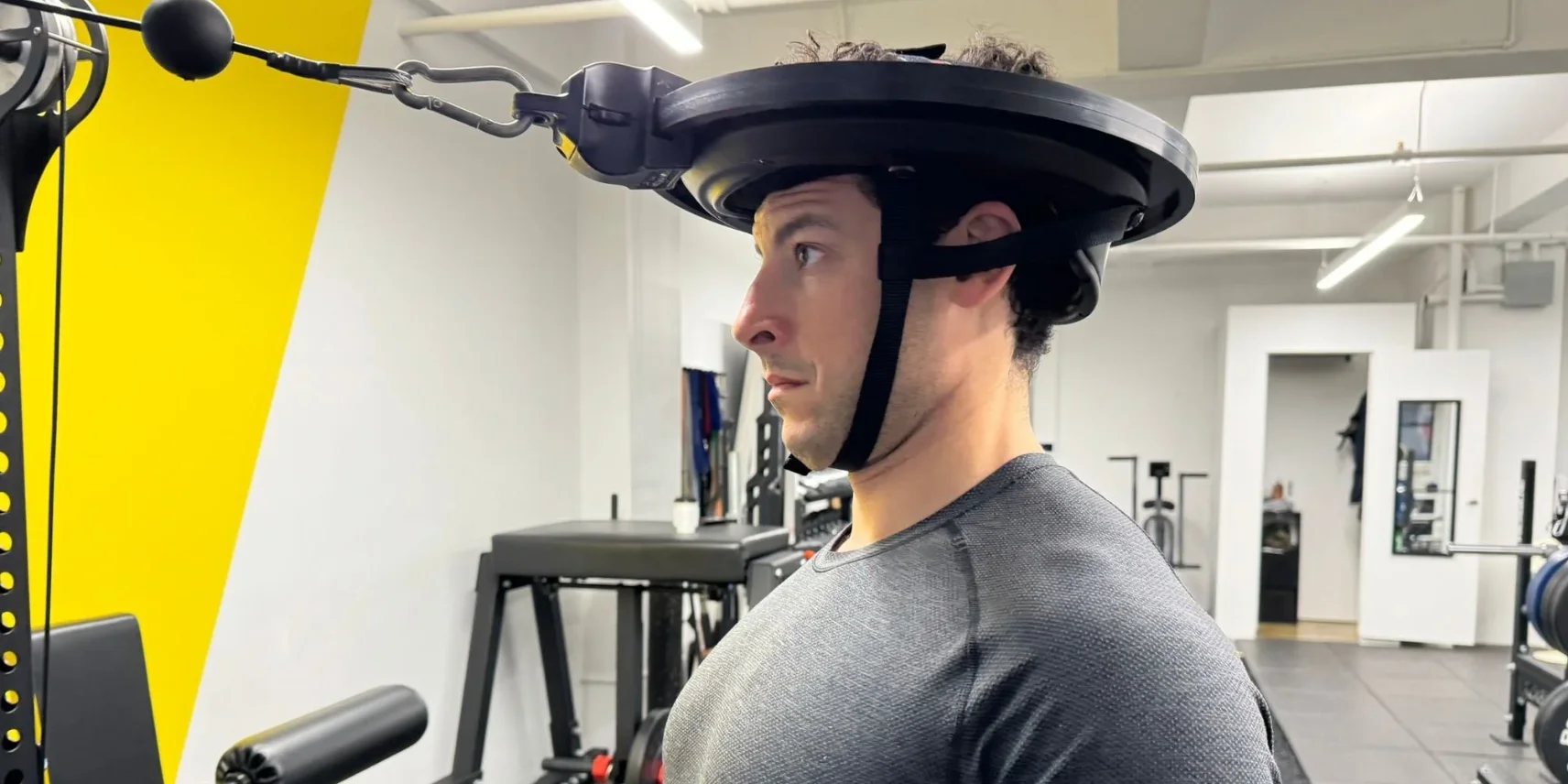
Learning how to train your neck starts with control, not heavy resistance. A strong neck supports posture, daily movement, sport performance, and better stability through the upper spine. This guide explains how bands can help build strength and mobility at home, while also looking at how Iron Neck Strength Bundle fits into a more structured routine.
Why Band Based Neck Training Has Become So Popular
People prefer basic equipment that fits home exercises without needing machines, so band-based training has become more popular. Bands put strain on the neck from different angles, which helps it learn how to flex, extend, bend to the side, and rotate.
People on Reddit who talk about Iron Neck commonly bring up Brazilian jiu jitsu, neck tweaks, pricing concerns, and wanting to know how to safely strengthen after strain. There is a distinct pattern to that interest. People are not just after size. A lot of people want a neck that is stronger and more flexible for genuine movement.
How to Start Neck Training as a Beginner
Beginners should start with low tension and moderate movements. The neck responds better to clean control than to heavy loads. If you feel pain, severe pulling, dizziness, or nerve problems, you should stop and talk to a competent specialist.
It's easy to follow a useful starting rule. Keep your jaw relaxed, your ribs down, your shoulders motionless, and your movements smooth. The idea is to train the neck to withstand effort without using the upper traps or lower back to make up for it.
Neck Warm Up Routine
Before loading, start with mild movement. Move by making little nods, turning slowly, and gliding to the side. Don't force range and make sure each movement is pleasant.
A good warm up can include:
-
Slowly tucking your chin
-
Turns to the left and right that are gentle
-
Small side bends
-
Shoulder blade squeezes
-
Light band tension holds
This gets deep stabilisers ready for the heavy work.
Controlled Strength Movements
Isometric holds are the safest way to do early strength exercises. Attach a light band to something stable, such as a harness or a safe hook, and then pull against it without allowing your head to move too much.
Stay in each position for 10 to 20 seconds. Train in all four directions: front, back, left, and right. These short holds assist the neck in getting used to being stable before adding dynamic reps.
Rotational Stability Exercises
Rotation matters because daily life and sport rarely move in straight lines. Turning the head while resisting band tension trains coordination through smaller muscles that often get ignored.
Iron Neck 3.0 Pro uses rotational resistance and a variable friction dial, which allows training difficulty to change based on comfort, rehab style work, or strength goals.
Best Neck Exercises With Bands for Daily Training
You shouldn't feel rushed when doing neck exercises with bands. Training every day doesn't imply giving it your all every day. It involves doing short, regular workouts that help you become more aware, increase your range, and build strength.
The best routine has four patterns. Not having one pattern can make some areas weaker, especially for persons who sit for long periods of time, play contact sports, or carry strain in their shoulders.
Flexion Work
Flexion works the front of your neck. So, turn away from the anchor and put the band behind you. Gently nod forward against anything while keeping your chest still.
Don't pull your chin too hard against your chest. Picture moving the head forward in a controlled way and then softly bringing it back. Start with low tension and short sets.
Extension Work
Extension works the back of the neck. Face the anchor and let the band pull you forward a little. Without arching your lower back, push your head back against the stress.
This practice can help people who have trouble keeping their posture when working at a desk. Take your time with the reps since extension can hurt if you rush it.
Lateral Work
Lateral training makes the muscles on both sides of the neck stronger. Stand to the side of the anchor and pull on it as the head slides away from the band.
Train both sides the same amount. A lot of people notice that one side feels smoother than the other, especially after old strains or sports habits. That discrepancy is a helpful sign, not a reason to go overboard.
Rotation Work
Rotation trains how strong you can turn. Stand up straight, maintain your shoulders still, and slowly turn your head against the band tension. Come back with the same control.
Resistance Bands for Neck Training are quite helpful here. Bands can provide you with angled resistance, but the quality of the arrangement is important. If the anchoring isn't good, movement can be jerky or uneven.
How Often You Should Train Your Neck
Most people do well with two to four short sessions a week. Beginners can start with two sessions and slowly add more as long as they don't get too sore.
A simple weekly plan may include:
-
Two strength-focused sessions.
-
One mobility-focused session.
-
One light stability session after upper body training.
Avoid training hard when the neck already feels irritated. Consistency beats intensity in this area because neck muscles are sensitive to poor loading choices.
What Makes a Best Neck Trainer Worth Using
The Best Neck Trainer should be able to help you with more than one issue. It should fit snugly, let you increase resistance over time, accommodate different angles, and feel stable enough to move carefully.
Basic bands can work, but a lot of people have trouble with comfort, anchoring, and smooth rotation. That's why an organised system might be helpful for folks who want to put things up the same way every time and have someone help them move forward.
Iron Neck Strength Bundle Features
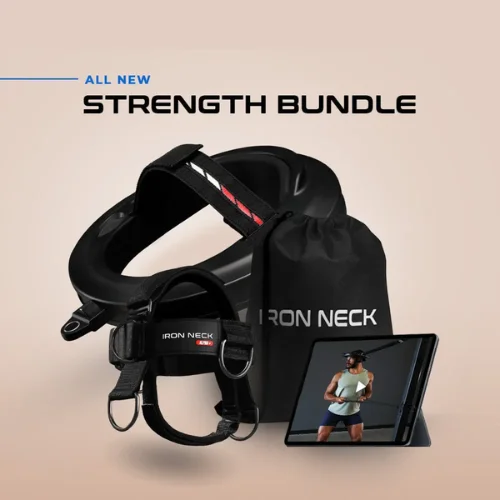
The Iron Neck Strength Bundle comes with Iron Neck 3.0 Pro, an Alpha Plus Harness, bands that weigh 25, 35, and 50 pounds, three anchors, a drawstring bag, and access to Premium Training. The bundle is cheaper than the overall value that was given.
The 3.0 Pro offers 360-degree training, AirFit Technology, smooth movement patterns, rotational resistance, and an adjustable friction dial. Alpha Plus Harness adds side clips and hanging clips for linear and band-resisted work.
Frequently Asked Questions
Can You Train Your Neck Every Day?
You can do little work regularly, but heavy work needs time to recover. Most of the time, two to four sessions a week are enough to keep you from getting sore all the time.
Are Bands Enough For Neck Strength?
Bands can be enough for many individuals, especially newbies. A structured device will help if someone wants smoother rotation and clearer progression.
Should Neck Training Hurt?
No. It's common to have some muscle tiredness. If you get sharp pain, tingling, headaches, dizziness, or symptoms that spread, you should see a doctor.
How Long Before Neck Training Feels Easier?
Many people notice better control within a few weeks, but strength and mobility take longer. Progress depends on consistency, starting level, and whether old injuries are involved.
Knowing How To Train Your Neck well often comes down to patience, consistency, and proper technique rather than chasing resistance too quickly. Tools like Iron Neck can add structure to training by making movement more controlled, varied, and easier to progress over time.
Follow SnagVibes for more practical fitness insights, training guides, and smart ways to improve strength, mobility, and long term performance.